All across the world, people are coming together to take action: reconnecting rivers, removing barriers, and restoring critical habitat.
These success stories show what’s possible.
But we need to do more, and fast. Salmon are at risk.
Wild Atlantic salmon have declined 80% in the past 50 years, and two-thirds of Pacific salmon are below their long-term averages.
The time to act is now.
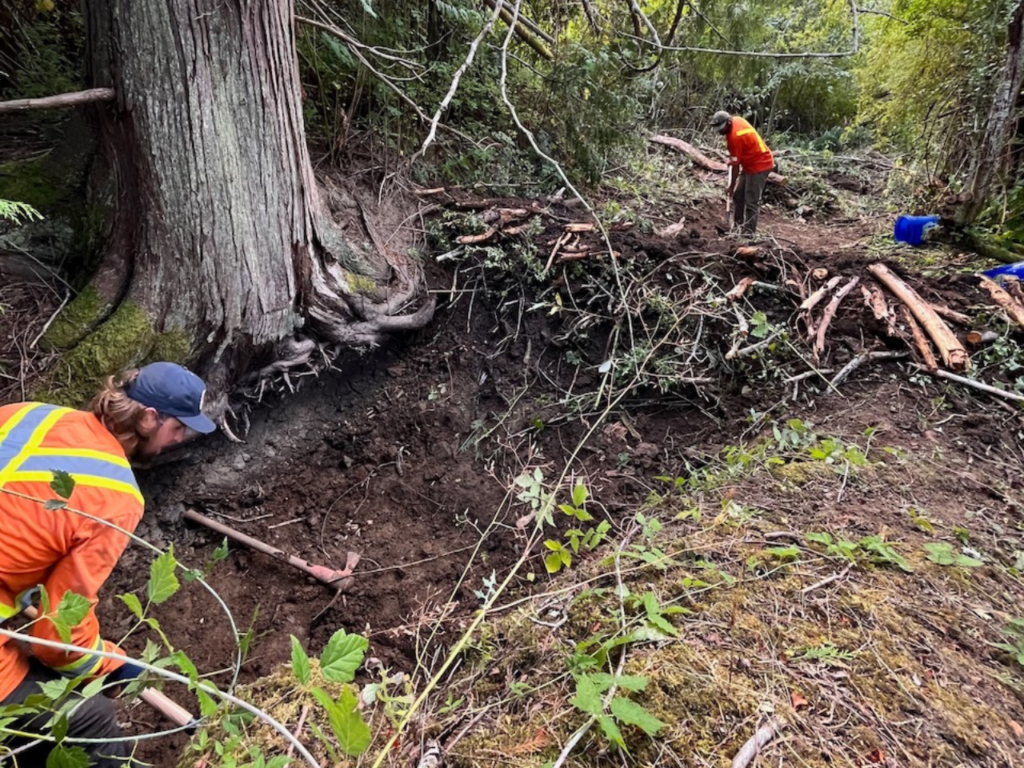
Photo credit: Stqeeye’ Learning Society
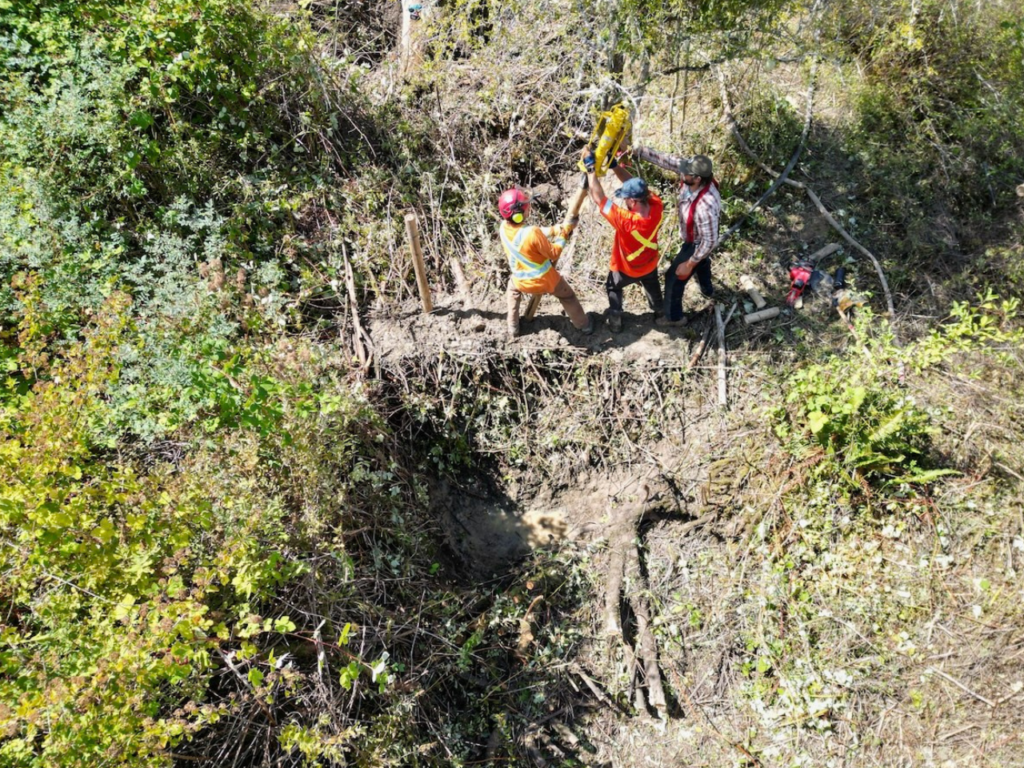
Organizations: Stqeeye’ Learning Society, an Indigenous-led organization associated with Cowichan Tribes, with funding support from the First Nations Fisheries Council (FNFC) and the Indigenous Stewardship Fund (ISF), a charitable entity of FNFC.
⚲ Burgoyne Bay Provincial Park, Salt Spring Island, British Columbia – traditional territory of the Quw’utsun peoples
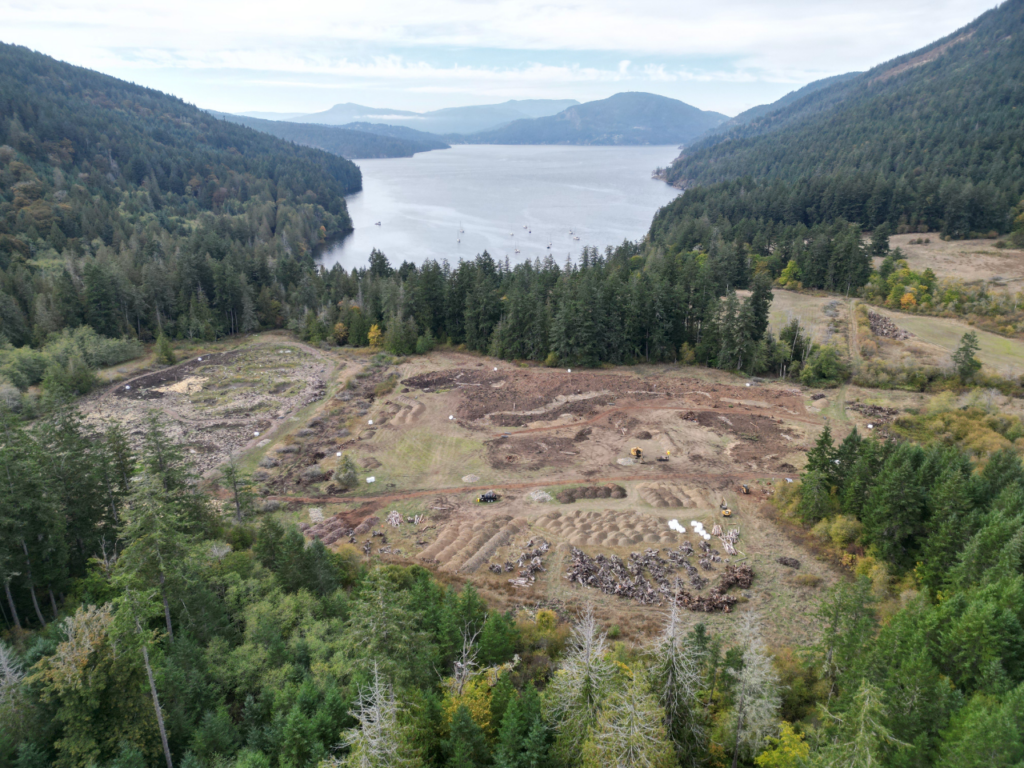
On Salt Spring Island, B.C., in the traditional territory of the Quw’utsun peoples, Xwaaqw’um once supported thriving fish-bearing streams, wetlands, estuary habitats, and ancient cedar forests that sustained abundant salmon and wildlife for generations. Industrial logging, agricultural drainage, and aging infrastructure disrupted natural water flow and fish passage, while climate change intensified droughts and flooding, contributing to declines in wild coho salmon and coastal trout.
Led by the Stqeeye’ Learning Society, restoration efforts focus on recovering natural water storage and reconnecting habitat. Work includes removing drainage systems, restoring wetlands through native planting and invasive species removal, and installing natural wood structures that help retain and shape water flows.
Organizations: Stqeeye’ Learning Society, an Indigenous-led organization associated with Cowichan Tribes, with funding support from the First Nations Fisheries Council (FNFC) and the Indigenous Stewardship Fund (ISF), a charitable entity of FNFC.
⚲ Burgoyne Bay Provincial Park, Salt Spring Island, British Columbia – traditional territory of the Quw’utsun peoples
Results:
Early signs of broad ecological recovery are already visible in this critical salmon habitat.
Photo credit: Sam Poultney
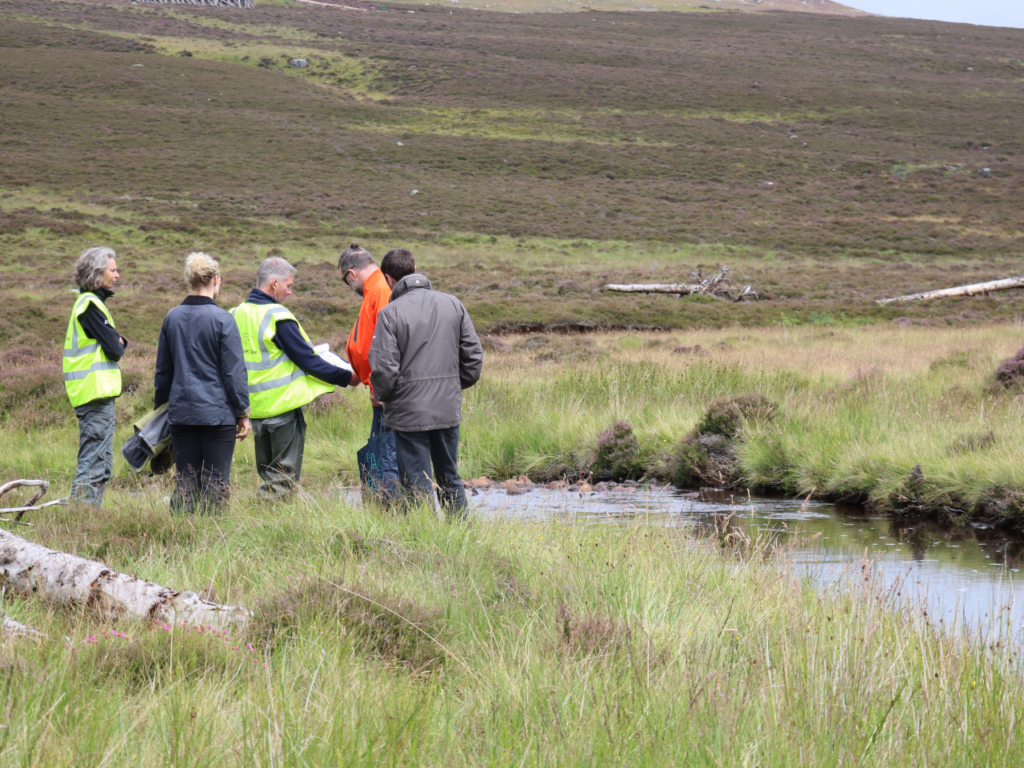
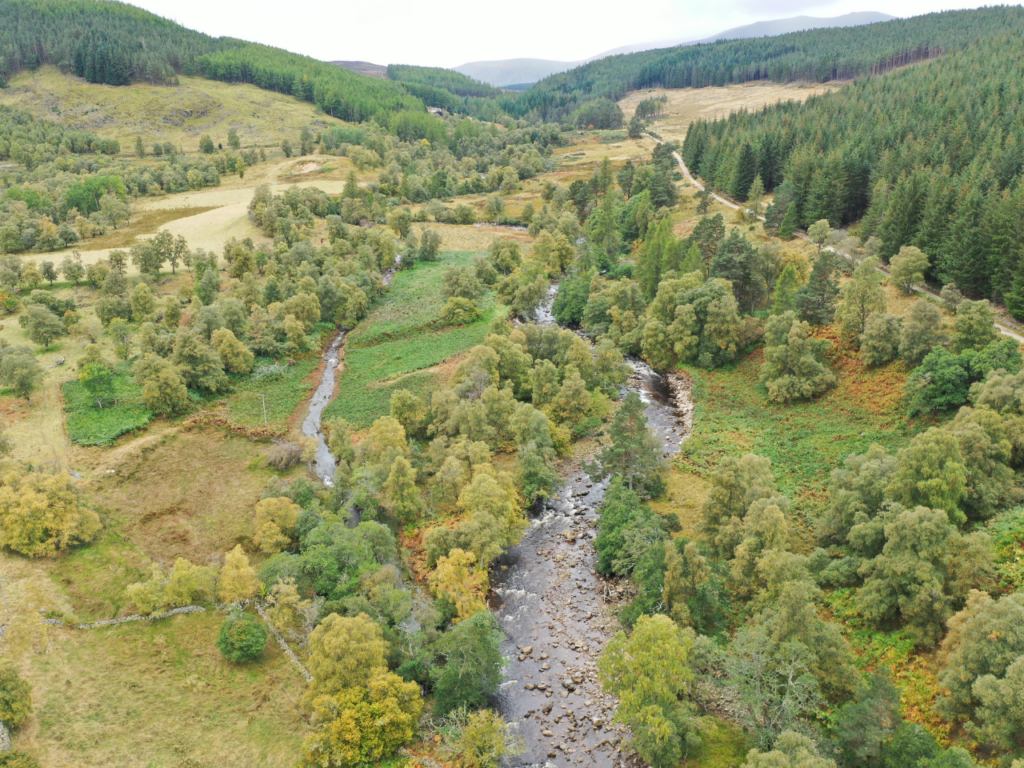
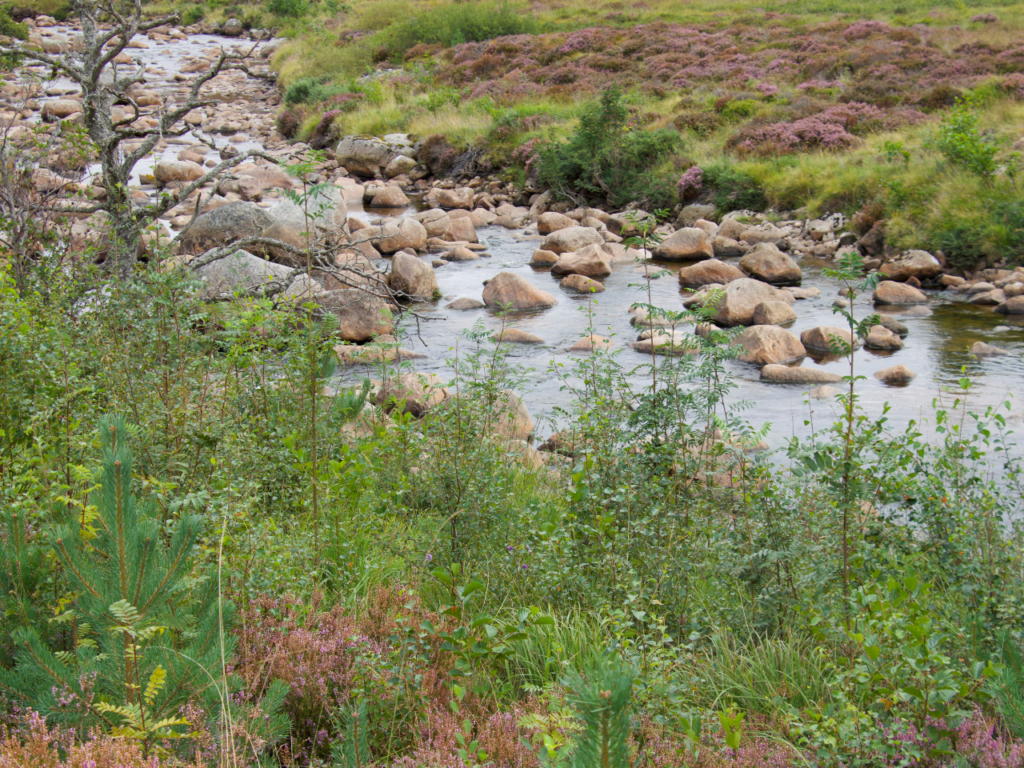
Organizations: Atlantic Salmon Trust, The River Dee Trust, and Dee District Salmon Fishery Board, supported by the University of Stirling and UHI Inverness.
⚲ River Dee, Aberdeenshire, Scotland
Save the Spring is a partnership restoring and futureproofing the upper River Dee catchment in Aberdeenshire, Scotland, a key habitat for spring-run salmon. Since the 1960s, spring salmon numbers have declined sharply, with populations down around 80%. In the Girnock Burn, returning females have dropped from around 200 to just one in 2024.
Rising temperatures, low flows, and increased flooding are damaging spawning habitats and threatening future generations. Launched in 2024, this 20-year programme is working to reverse these trends at a catchment scale.
Organizations: Atlantic Salmon Trust, The River Dee Trust, and Dee District Salmon Fishery Board, supported by the University of Stirling and UHI Inverness.
⚲ River Dee, Aberdeenshire, Scotland
Results:
This work is helping improve resilience across one of Scotland’s most important salmon rivers.
Photo credit: Ross Reid, Kyler Vos
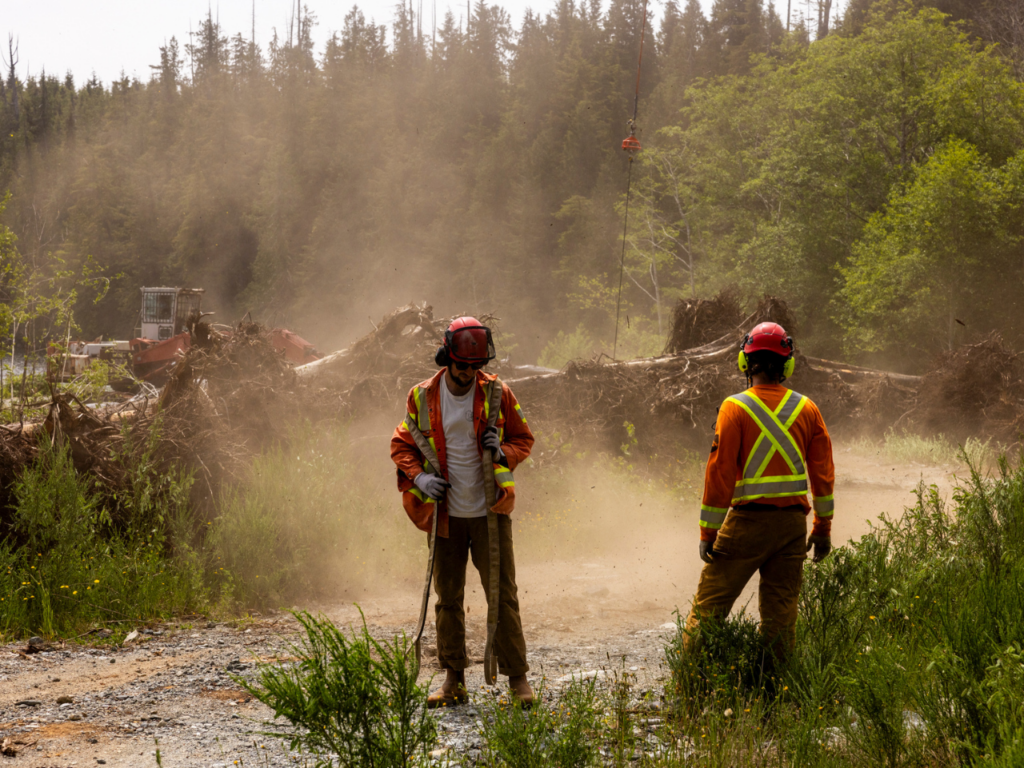
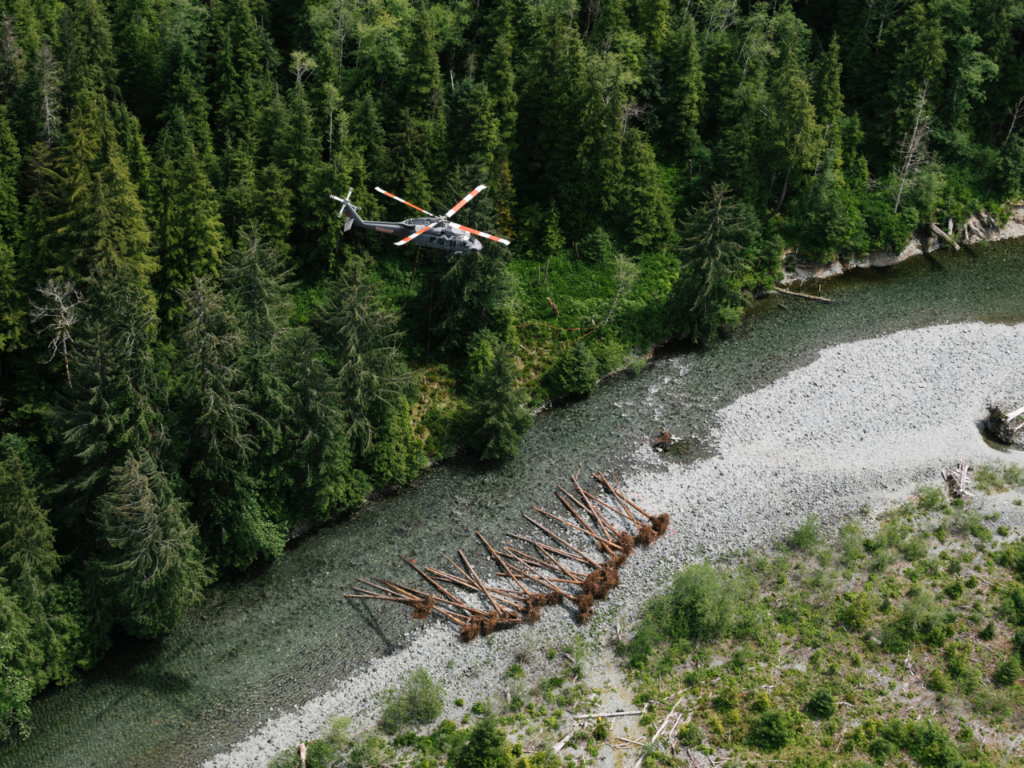
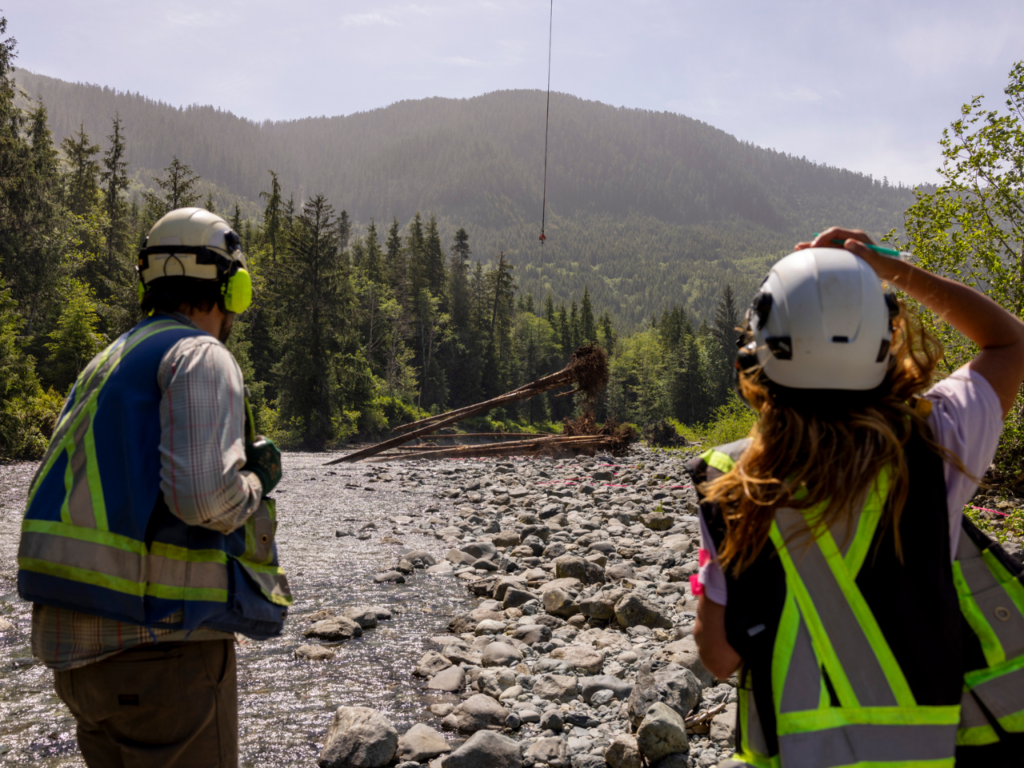
Organizations: ƛaʔuukʷiʔatḥ (Tla-o-qui-aht) First Nation and Redd Fish Restoration Society, with support from the local community, Tribal Parks Guardians program, the Pacific Salmon Foundation, and other partners.
⚲ Tranquil Creek, north of Tofino on western Vancouver Island, British Columbia – located on hahuułi (traditional territory) of the Tla-o-qui-aht
More than a decade ago, the ƛaʔuukʷiʔatḥ First Nation and Redd Fish Restoration Society began restoring the Hiłsyaqƛis (Tranquil Creek) watershed on western Vancouver Island, B.C., to recover local Pacific salmon populations.
With more than $271,000 leveraged from the Pacific Salmon Foundation, this community-led effort is monumental in both scale and vision.
In a watershed where historical logging and climate impacts have degraded salmon habitat, partners have worked to install innovative restoration structures. The river itself is now better equipped to create and sustain complex salmon habitats.
Organizations: ƛaʔuukʷiʔatḥ (Tla-o-qui-aht) First Nation and Redd Fish Restoration Society, with support from the local community, Tribal Parks Guardians program, the Pacific Salmon Foundation, and other partners.
⚲ Tranquil Creek, north of Tofino on western Vancouver Island, British Columbia – located on hahuułi (traditional territory) of the Tla-o-qui-aht
The river is now better able to create and sustain the cool, deep pools salmon need to escape predators and survive drought.
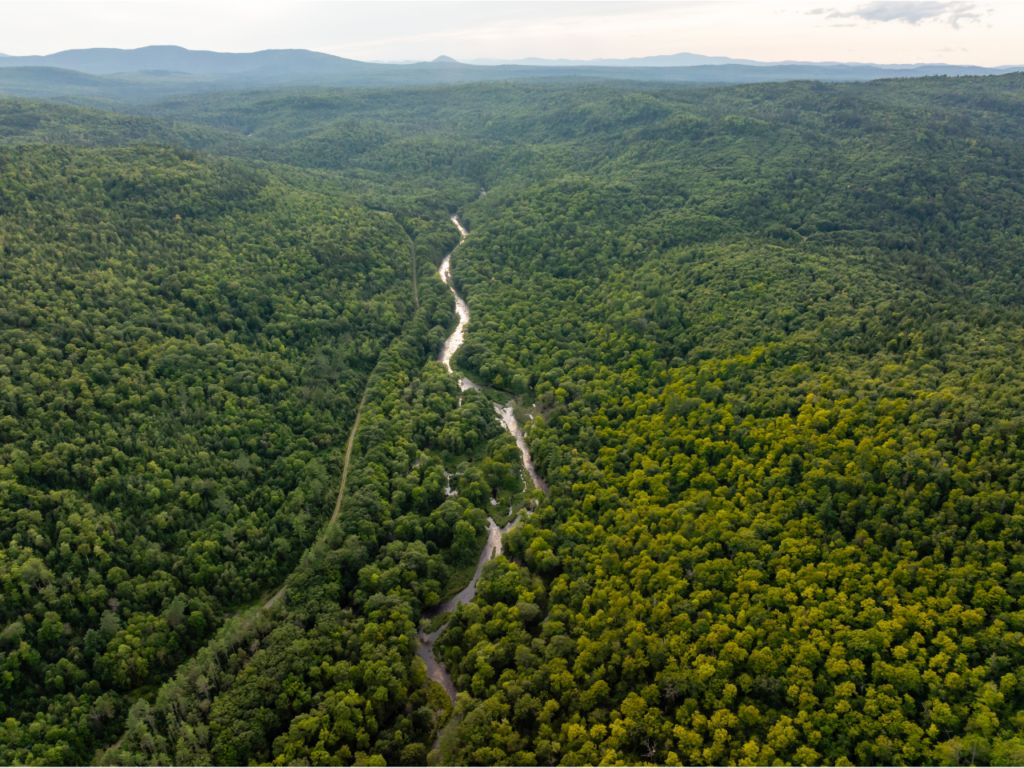
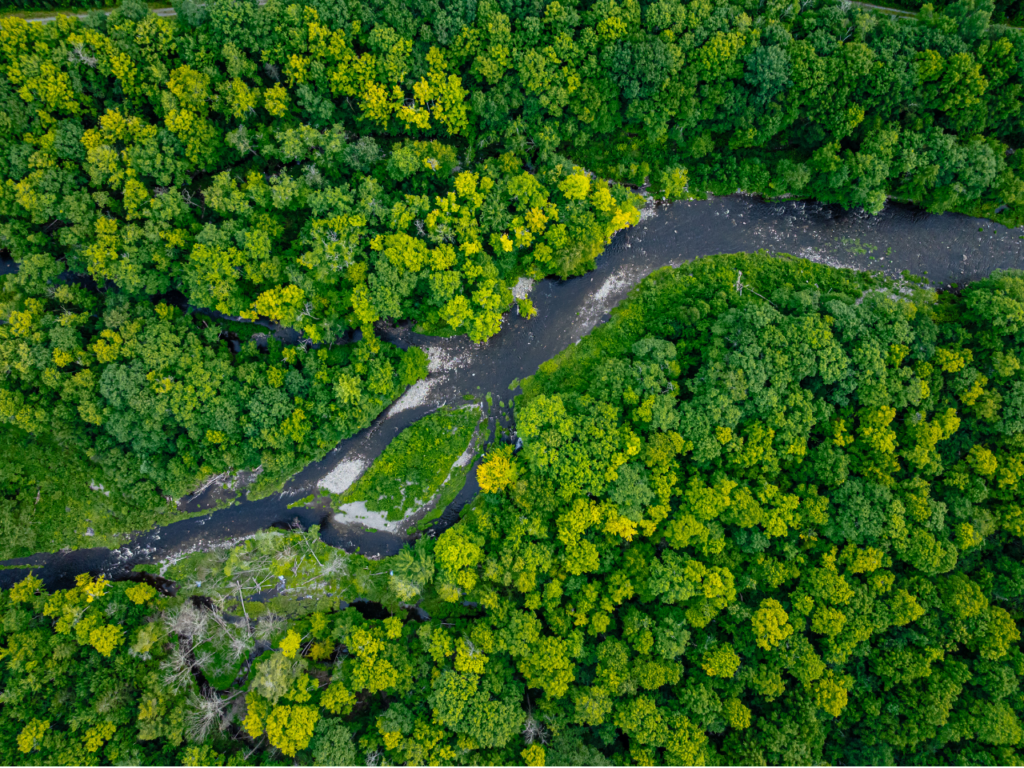
Organizations: The Penobscot River Restoration Trust is a not-for-profit corporation established to implement key elements of the Penobscot River Restoration Project, including the removal of the Veazie and Great Works dams and the bypass of the Howland Dam. Its members include the Penobscot Indian Nation, American Rivers, Atlantic Salmon Federation, Maine Audubon, Natural Resources Council of Maine, The Nature Conservancy, and Trout Unlimited, along with other project partners.
⚲ Penobscot River, Maine, United States
The Penobscot River Restoration Project began in 2004 with the Lower Penobscot River Multi-Party Settlement Agreement, a collaborative effort to rebalance hydropower generation and sea-run fisheries. Implementation is now complete, restoring access to nearly 2,000 miles of historic habitat for Atlantic salmon and other migratory fish.
The Veazie and Great Works dams were removed, and a third was decommissioned with a natural bypass channel constructed. A fish elevator was installed at Milford Dam, while power generation was maintained and even increased at other sites.
Organizations: The Penobscot River Restoration Trust is a not-for-profit corporation established to implement key elements of the Penobscot River Restoration Project, including the removal of the Veazie and Great Works dams and the bypass of the Howland Dam. Its members include the Penobscot Indian Nation, American Rivers, Atlantic Salmon Federation, Maine Audubon, Natural Resources Council of Maine, The Nature Conservancy, and Trout Unlimited, along with other project partners.
⚲ Penobscot River, Maine, United States
Results:
Across Maine’s largest river system, which drains more than 8,500 square miles, the project is delivering lasting ecological and cultural benefits.
Wild salmon connect us all, and recovering them is a global effort.
All across the world, communities are restoring habitat and reconnecting rivers in ways that are already helping salmon recover.
We encourage you to help shine a light on this work: celebrate a project, share a story, and learn more about what is happening in your region.
Use the hashtag #WildSalmonDay, download our social media toolkit, and help us raise the flag on June 1st.